Source Continuous Cast In Hot Air Stove for Villa, Greenhouse, Aquaculture
Find 30 continuous cast in hot air stove options from China. Compare specs like 89% thermal efficiency, 9kw capacity, and CE certification for indoor villa heating, greenhouse, and aquaculture applications; compare the available evidence and request quotations based on your requirements.
Key considerations
Products List




Comprehensive Sourcing Guide
Continuous Cast in Hot Air Stove Sourcing Guide
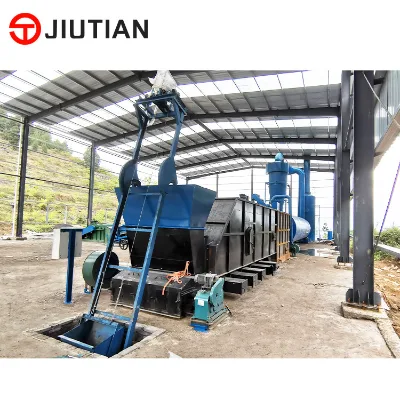
Buyers evaluating continuous cast in hot air stoves must first distinguish between residential heating units and industrial furnace heaters, as the supplied data reveals a wide spectrum of capabilities. The observed listings include models designed for indoor villa heating with specific wood pellet fuel requirements, alongside heavy-duty industrial units capable of reaching temperatures between 60 and 800 degrees Celsius. This distinction is critical because the material composition, ranging from cast iron to steel, directly dictates the operational environment and thermal endurance required for your specific facility.
Procurement decisions should also account for the diverse application scenarios listed, which span from greenhouses and aquaculture to general industrial heating. While some units are optimized for single-item sales with compact dimensions, others are engineered for high-productivity environments with capacities up to 25.5 kW. Understanding whether your project requires a freestanding unit with an adjustable thermostat or a robust integral casting furnace is the first step in filtering the 30 available product variations to find a match for your thermal load.
Product Scope and Observed Listing Signals
The market signals indicate a significant variance in product attributes, particularly regarding fuel sources and installation types. Buyers will encounter options powered by wood pellets with specific hopper capacities of 15kg, as well as units explicitly designed for coal fuel. The installation type is predominantly freestanding, yet the usage classification fluctuates between indoor-only and dual-purpose indoor-outdoor configurations. This inconsistency requires careful verification of the specific model's intended environment to ensure it meets your site's safety and operational constraints.
Color and style variations further complicate the selection process, with listings showing both modern red and black finishes. The physical specifications range from compact units with net weights of 105 kg to massive industrial castings weighing up to 8000 kg. When reviewing listings, buyers must cross-reference the stated heating area, which varies from 80 square meters to coverage for 300 square meters, against the actual thermal output of the unit. Relying on the visual style or color alone is insufficient; the core heating capacity and fuel consumption rates are the primary drivers of suitability.
Technical Specifications to Verify
Thermal efficiency and power consumption are the most critical technical metrics to validate before finalizing a purchase. The observed data highlights units with a thermal efficiency of 89% and power consumption as low as 65W per hour, which suggests advanced heat retention designs. However, buyers must verify if these figures apply to the specific model intended for their application, as industrial furnace heaters may operate with different efficiency profiles. Confirming the rated heating capacity, which ranges from 9 kW to 25.5 kW, ensures the unit can maintain the required temperature range without excessive energy waste.
Dimensional accuracy and packing specifications are equally vital for logistics planning and site integration. Listings provide specific dimensions such as 5855101045mm for smaller units and 5.01.33.2 meters for larger industrial models. Buyers must ensure the packing size, often listed as a wooden case, aligns with their shipping container constraints, noting that a 20-foot container can hold approximately 90 pieces of certain models. Verifying the exact weight, which can be as high as 8 tons for heavy-duty castings, is essential for calculating freight costs and ensuring the receiving facility has adequate floor load capacity.
Compliance and Safety Documentation
Safety certifications and operational protections are non-negotiable elements of the procurement process for continuous cast stoves. The available data confirms the presence of CE certification and features like overheating protection, which are essential for mitigating fire risks in both residential and industrial settings. Buyers should explicitly request the machinery test report provided by the supplier to validate that the safety mechanisms function as claimed under load. Without this documentation, the risk of equipment failure or non-compliance with local safety regulations increases significantly.
Warranty terms and manufacturing standards provide the necessary framework for long-term operational security. A standard one-year warranty is observed in the listings, but buyers must clarify the scope of coverage regarding the integral casting and forming method used in production. The manufacturing method implies a monolithic structure that reduces leak points, yet the warranty must explicitly cover the integrity of the cast iron or steel body. Additionally, verifying that the product standard includes necessary venting configurations is crucial for ensuring proper exhaust flow and preventing hazardous gas accumulation in the application area.
Cost Drivers and Commercial Terms
Pricing structures for these units are highly variable, influenced heavily by material composition, heating capacity, and customization options. The observed price range spans from 0.1 USD to 300,000 USD, reflecting the difference between small residential heaters and large-scale industrial furnaces. Buyers should not assume a linear cost relationship; instead, they must analyze the cost per kilowatt of heating capacity and the material cost of the cast iron or steel body. Customization availability is a key cost driver, as tailored dimensions or specific fuel adaptations will invariably increase the base unit price.
Minimum Order Quantities (MOQ) and lead times are significant commercial factors that impact cash flow and project scheduling. The data indicates an MOQ range of 1 to 500 units, offering flexibility for small projects but potentially requiring bulk commitments for large industrial deployments. Buyers must negotiate clear terms regarding the production lead time, especially for customized orders that deviate from standard models. Understanding the selling units, which are often listed as single items, helps in budgeting for pilot installations before committing to a larger fleet of heating equipment.
Supplier Qualification and Quality Control
Supplier qualification relies on verifying the place of origin and the specific manufacturing capabilities of the vendor. The data points to Henan, China, as a primary origin, a region known for heavy industrial casting. Buyers should request proof of the supplier's ability to perform integral casting and forming, as this method is critical for the structural integrity of high-temperature units. Confirming the brand name, such as Jiutian, and reviewing their machinery test reports provides insight into their quality control consistency and adherence to the stated production standards.
Quality control protocols must extend beyond the initial factory inspection to include pre-shipment verification of critical components. Buyers should insist on a detailed inspection of the heating medium delivery system, ensuring the hot air flow is consistent with the rated capacity. The presence of vents and the specific dimensions of the unit must be physically verified against the provided specifications before loading. Establishing a clear communication channel for addressing any discrepancies in the machinery test report or weight specifications is essential for maintaining quality standards throughout the supply chain.
Long-Term Procurement Checks
Sustainability and operational longevity are key considerations for the long-term viability of continuous cast in hot air stove investments. The key selling points of eco-friendly operation and competitive pricing suggest a focus on efficiency, but buyers must verify the actual fuel consumption rates, which range from 0.4 to 0.8 kg per hour for pellet models. Ensuring the unit maintains high productivity over time requires a maintenance plan that addresses the specific wear patterns of cast iron or steel components under continuous high-temperature stress.
Future-proofing the procurement strategy involves assessing the adaptability of the unit to changing fuel sources or heating requirements. The observed versatility in fuel types, from wood pellets to coal, offers some flexibility, but buyers should confirm the ease of operation and potential for retrofitting. Establishing a relationship with the supplier for spare parts availability, particularly for the hopper and venting systems, is crucial for minimizing downtime. Regular reviews of the warranty terms and the supplier's track record for providing machinery test reports will ensure the investment remains secure and compliant over its operational lifespan.
FAQs
What is the heating capacity of the continuous cast in hot air stove?
The unit features a rated heating capacity of 9kw. It is designed to effectively heat areas up to 80 square meters. The thermal efficiency reaches 89%, ensuring optimal energy use. This makes it suitable for indoor applications like villas or greenhouses. The system operates with a power consumption of 65W/H.
Can the continuous cast in hot air stove be customized for specific needs?
Yes, customization is available for this equipment. Buyers can request specific modifications to meet unique operational requirements. The product supports various applications including aquaculture and greenhouses. This flexibility allows for tailored solutions in different industrial or residential settings. Contact suppliers directly to discuss specific customization parameters and feasibility.
What fuel does the continuous cast in hot air stove use?
The stove primarily uses 6-10mm wood pellets as fuel. This fuel type supports clean and efficient combustion. The hopper capacity is 15kg, allowing for extended operation. Fuel consumption ranges from 0.4 to 0.8kg per hour. This design ensures consistent heat output while maintaining eco-friendly operation standards.
What certifications does the continuous cast in hot air stove have?
The product holds CE certification, indicating compliance with European safety standards. This certification ensures the equipment meets rigorous quality and safety requirements. Buyers can rely on this mark for regulatory compliance in many markets. The machinery test report is also provided for additional verification of performance.
How is the continuous cast in hot air stove packaged for shipping?
The unit is packed in a wooden case for secure transport. The packing size measures 585 by 510 by 1045mm. This robust packaging protects the cast iron body during transit. A 20-foot container can hold 90 pieces, optimizing logistics. The net weight is 105kg, ensuring stable handling and delivery.
What is the warranty period for the continuous cast in hot air stove?
The product comes with a 1-year warranty. This coverage provides assurance for the initial period of operation. Buyers can seek support for manufacturing defects or performance issues within this timeframe. The warranty complements the provided machinery test report. It ensures long-term reliability for indoor heating applications.